

Understanding Optimal Oil Change Intervals for 2026 Vehicles
Keeping your 2026 vehicle in peak condition starts with maintaining the engine’s lubrication system, and one of the most critical maintenance tasks is regular oil changes. The question many drivers in Dallas, Carrollton, and Farmers Branch ask is: how often should a 2026 model year vehicle receive an oil change? Unlike outdated rules suggesting a change every 3,000 miles, modern vehicles and oils have evolved significantly, altering the ideal maintenance schedule.
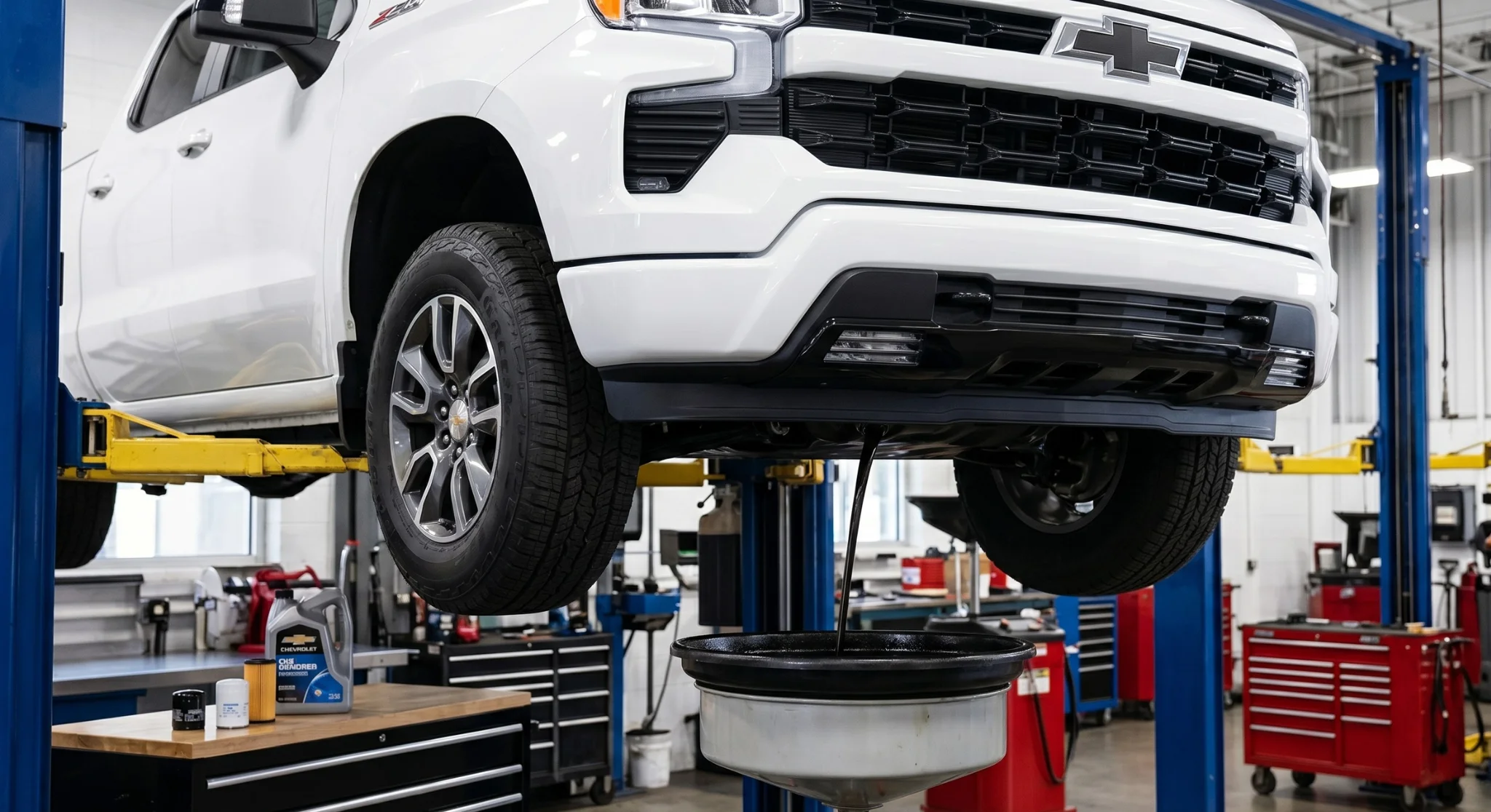
How Often Should You Change Oil in a 2026 Vehicle?
For 2026 vehicles, manufacturers typically recommend oil change intervals ranging from 7,500 to 10,000 miles under normal driving conditions. This range is a substantial upgrade from older models, largely due to advancements in both engine design and oil chemistry. Modern engines are engineered with tighter tolerances, which reduces oil contamination and wear, while synthetic oils provide superior thermal stability and oxidation resistance compared to conventional oils. These factors combined allow for longer intervals between oil changes without compromising engine protection.
The table below summarizes general manufacturer guidance for 2026 vehicles by driving condition. Always verify against your specific owner’s manual, since intervals vary by engine and oil specification.
| Driving Condition | Typical Interval | When to Apply |
|---|---|---|
| Normal driving (highway, mixed use, moderate climate) | 7,500–10,000 miles or 12 months | Most daily commuters in the Dallas area |
| Severe driving (frequent towing, extensive idling, extreme heat or dust) | 5,000–7,500 miles or 12 months | Drivers who tow, operate in heavy traffic, or face extreme temperatures |
| Oil Life Monitor equipped (most 2026 vehicles) | Whenever the system signals (system adapts automatically) | Virtually all new vehicles, including all current Chevrolet models |
| Low-mileage or stored vehicle | At least once every 12 months regardless of mileage | Lightly driven or seasonally stored vehicles |
Why Time Matters as Much as Mileage
While mileage plays a crucial role, the passage of time is equally important. Even if your driving habits keep you below the mileage threshold, oil degrades chemically over months. Exposure to heat, moisture, and contaminants causes oil to lose its lubricating effectiveness and ability to protect internal engine parts. For most 2026 vehicles, manufacturers recommend changing oil at least once a year, regardless of mileage. This time-based recommendation helps prevent sludge buildup and corrosion, particularly for drivers in nearby cities like Carrollton or Irving where short trips or stop-and-go traffic can accelerate oil degradation.
The decision between following mileage or following time depends on how you actually use your vehicle:
| Your Driving Pattern | Follow This Schedule |
|---|---|
| Drive 7,500–10,000 miles in less than 6 months | Mileage-based interval — change when you hit the recommended mileage |
| Drive moderate miles spread evenly across the year | Whichever comes first — mileage or 12 months |
| Drive fewer than 5,000 miles per year | Time-based interval — change at least once every 12 months even if mileage is low |
| Vehicle sits parked for extended periods | Time-based interval — annual oil change protects against moisture and additive breakdown |
The Role of Oil Life Monitors in Modern 2026 Vehicles
In today’s 2026 vehicles, oil life monitoring systems play a crucial role in determining the optimal time for an oil change. Rather than chemically sampling the oil itself, these systems use an internal algorithm that processes engine operating data, including temperature cycles, engine load, RPM, idle time, and driving conditions, to estimate how much useful life remains in the oil. Based on this calculation, the system displays a remaining oil life percentage on your dashboard or alerts you when the oil approaches replacement.
Virtually every new vehicle on the road today, including all current Chevrolet models, comes equipped with oil life monitoring technology. This system replaces the old fixed-mileage approach with adaptive scheduling tailored to how you actually drive. For Dallas commuters dealing with stop-and-go traffic or drivers in Irving who mix highway and city miles, the monitor reflects those real-world conditions rather than applying a one-size-fits-all rule.
While these monitors offer convenience, it’s important for vehicle owners to understand the alerts and follow manufacturer guidelines carefully. The system assumes you’re using the oil grade and specification recommended in your owner’s manual. Using a non-specification oil can compromise both engine protection and monitor accuracy. When the monitor signals an oil change is due, our certified service technicians can perform the service and reset the system so it continues calculating accurately for the next interval.
Severe Driving Conditions and What They Mean for Oil Change Frequency
Not all driving stress is equal. Vehicles equipped with oil life monitors will automatically shorten intervals when severe conditions are detected, which is one of the practical benefits of the technology. For drivers without an oil life monitor or those who prefer mileage-based scheduling, the table at the top of this article provides general benchmarks.
Severe driving conditions that warrant more attention to oil change frequency include frequent trailer towing, extensive idling such as ride-share or delivery use, and operation in extremely hot or dusty climates. The North Texas summer heat falls into this category for some applications, particularly for vehicles that regularly idle in stopped traffic on Dallas freeways. If your driving falls into one or more of these categories, ask your service technician whether you should treat 5,000 to 7,500 miles as your practical change interval regardless of what the oil life monitor displays.
Switching to Synthetic Oil in Older Cars: Benefits and Considerations
Transitioning an older vehicle from conventional to synthetic oil can offer significant advantages, especially for drivers around Carrollton or Irving. Synthetic oil is engineered to provide superior lubrication, enhanced thermal stability, and better resistance to breakdown under extreme conditions compared to traditional oils. This can lead to improved engine protection, reduced wear, and potentially longer intervals between oil changes.
Older engines, especially those with higher mileage, can benefit from synthetic oil’s ability to maintain viscosity and cleanliness, which helps prevent sludge buildup and corrosion. Before making the switch, however, it’s important to consider the vehicle’s current condition. In engines that have accumulated sludge over many years, synthetic oil’s stronger detergent properties can dissolve deposits that had been partially sealing pre-existing gasket weaknesses. Some owners notice oil seepage becomes visible after switching, not because synthetic oil itself caused the leaks, but because it cleaned out material that had been masking them. This is one reason a professional inspection is helpful before changing oil types in a high-mileage engine.
Compatibility is another factor. Most modern synthetic oils meet or exceed industry standards and are compatible with engines designed for conventional oil, but sticking to the manufacturer’s recommended viscosity grade remains crucial. For owners in Dallas or Farmers Branch, consulting the owner’s manual or a trusted technician at Galleria Chevrolet can clarify whether synthetic oil suits their vehicle. Our service team uses high-quality oil and OEM-approved filters that meet the specifications required for your vehicle.
Dispelling the 3,000-Mile Oil Change Myth
The longstanding belief that oil must be changed every 3,000 miles no longer aligns with modern automotive technology. Advances in engine design and oil formulations, especially synthetic oils, have extended recommended intervals to 7,500 miles or more for many 2026 vehicles. This shift is supported by most automakers as well as industry authorities like AAA, and reflected in oil life monitoring systems that tailor maintenance based on actual driving conditions.
Persisting with unnecessarily frequent oil changes not only leads to higher service expenses but also generates excessive waste oil, which poses environmental hazards. According to the U.S. Environmental Protection Agency, just one gallon of improperly disposed used motor oil has the potential to contaminate up to one million gallons of fresh water. By adhering to manufacturer guidelines and using synthetic oils, drivers in Dallas, Plano, and the surrounding North Dallas area can avoid waste while maintaining engine health.
Schedule Your Next Oil Change at Galleria Chevrolet
At Galleria Chevrolet, our certified service technicians follow current manufacturer maintenance standards and handle all used oil through EPA-compliant recycling channels. Whether you’re driving around Dallas or commuting in Carrollton, maintaining the correct oil change interval is key to preserving engine efficiency and longevity. You can explore our certified service oil change page for additional information on the service process, or browse common questions on our service FAQ. To schedule your next service appointment, call our service center at (361) 272-3064.
By following the optimal oil change intervals for your 2026 vehicle, you protect your investment, reduce the risk of costly repairs, and ensure reliable performance for years to come.
This article is provided for general informational purposes only and reflects publicly available guidance from sources such as your vehicle’s manufacturer, AAA, and the U.S. Environmental Protection Agency at the time of publication. Recommended oil change intervals, oil grades, and maintenance schedules vary by model year, engine, driving conditions, and use. Always consult your owner’s manual or speak with a certified Chevrolet service technician at Galleria Chevrolet for guidance specific to your vehicle. Pricing, service offers, and parts availability are subject to change. Please dispose of or recycle used motor oil in accordance with applicable local, state, and federal regulations.

0 comment(s) so far on Understanding Optimal Oil Change Intervals for 2026 Vehicles